
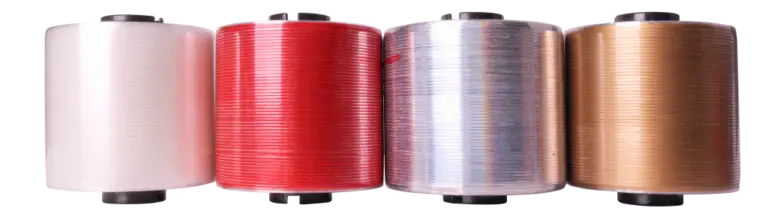
Tear tapes are an essential component in the tobacco industry’s packaging process, providing functionality and enhancing consumer convenience. This guide outlines the purposes, types, and applications of tear tapes in tobacco packaging.
Tear tapes are primarily used to provide an easy and convenient way to open cigarette packs, pouches, and other tobacco product packaging.
They serve as a tamper-evident feature, indicating whether the package has been opened or altered.
Tear tapes can be printed with logos, promotional messages, or brand names, enhancing the product’s aesthetic appeal and market presence.
In some regions, tear tapes may be used to display mandatory information or compliance marks required by regulatory bodies.
Description: These are the most basic form of tear tapes, typically made from polypropylene or polyester.
Function: They provide a straightforward and functional means to open the packaging without additional features.
Description: Tear tapes that are printed with logos, brand names, promotional messages, or regulatory information.
Function: Enhance brand visibility and provide additional information to the consumer.
Description: Tear tapes with holographic features that create a visually striking effect.
Function: Used to combat counterfeiting and enhance the aesthetic appeal of the packaging.
Description: These tear tapes have a metallic finish, often used for premium or high-end tobacco products.
Function: Provide a luxurious look and feel, enhancing the product’s market appeal.
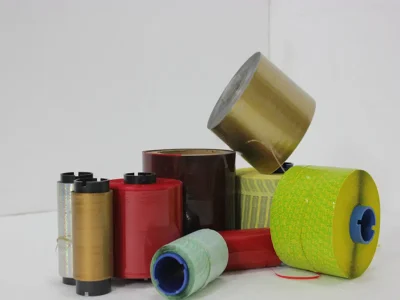
Application: Tear tapes are commonly integrated into the cellophane wrapping of cigarette packs.
Function: They allow consumers to easily open the pack while maintaining the integrity and freshness of the cigarettes inside.
Application: Used in resealable pouches of loose tobacco.
Function: Provide a means to reseal the pouch after opening, helping to preserve the freshness of the tobacco.
Application: Applied to individual cigar wrappers or cigarillo packs.
Function: Facilitate easy opening and add a touch of sophistication to the packaging.
Material Selection
Application Techniques
Integration into Packaging Lines

Tear tapes make it easy for consumers to access the product without damaging the packaging.
They help maintain the freshness and quality of the tobacco product by providing a controlled opening mechanism.
Custom printed and holographic tear tapes enhance brand recognition and differentiation in a competitive market.
Tear tapes can incorporate security features to prevent tampering and counterfeiting, protecting both the brand and the consumer.

© 2024 Apopolosan Lider SL, All Rights Reserved
| Cookie | Duration | Description |
|---|---|---|
| cookielawinfo-checkbox-analytics | 11 months | This cookie is set by GDPR Cookie Consent plugin. The cookie is used to store the user consent for the cookies in the category "Analytics". |
| cookielawinfo-checkbox-functional | 11 months | The cookie is set by GDPR cookie consent to record the user consent for the cookies in the category "Functional". |
| cookielawinfo-checkbox-necessary | 11 months | This cookie is set by GDPR Cookie Consent plugin. The cookies is used to store the user consent for the cookies in the category "Necessary". |
| cookielawinfo-checkbox-others | 11 months | This cookie is set by GDPR Cookie Consent plugin. The cookie is used to store the user consent for the cookies in the category "Other. |
| cookielawinfo-checkbox-performance | 11 months | This cookie is set by GDPR Cookie Consent plugin. The cookie is used to store the user consent for the cookies in the category "Performance". |
| viewed_cookie_policy | 11 months | The cookie is set by the GDPR Cookie Consent plugin and is used to store whether or not user has consented to the use of cookies. It does not store any personal data. |