

Overwrapping film is a vital packaging material in the tobacco industry. It serves to protect the product, maintain freshness, and enhance the aesthetic appeal of tobacco products, such as cigarettes. This guide explores the types of overwrapping films used, their materials, and their functions in tobacco production.
Description: A widely used plastic film known for its clarity and strength.
Function: Provides a protective barrier against moisture and contaminants. It also offers a glossy finish, enhancing the product’s visual appeal.
Structure: Can be biaxially oriented (BOPP) to improve tensile strength and durability.
Description: A flexible and durable plastic film used for various packaging applications.
Function: Offers excellent moisture resistance and flexibility, making it suitable for wrapping tobacco products.
Structure: Available in different densities (high, low, and linear low-density polyethylene) to meet specific packaging needs.
Description: A biodegradable film made from cellulose, offering an eco-friendly packaging option.
Function: Provides good barrier properties against moisture and air while being biodegradable.
Structure: Often coated with nitrocellulose or polyethylene to enhance its protective properties.
Description: A strong, transparent film known for its excellent barrier properties and resistance to stretching.
Function: Provides a high barrier to moisture, oxygen, and other gases, ensuring the freshness of tobacco products.
Structure: Can be metallized to improve barrier properties and give a reflective finish.
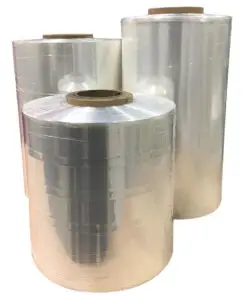
Properties: High tensile strength, excellent clarity, and good barrier properties.
Usage: Commonly used for its durability and ability to retain shape, making it ideal for overwrapping cigarette packs.
Properties: Flexible, moisture-resistant, and cost-effective.
Usage: Suitable for secondary packaging where flexibility and moisture resistance are crucial.
Properties: Biodegradable, good barrier properties when coated.
Usage: Preferred for eco-friendly packaging solutions, offering a balance between sustainability and protection.
Properties: High strength, excellent barrier to gases and moisture, and heat-resistant.
Usage: Used for premium packaging applications where high barrier properties and aesthetic appeal are important.
Barrier Against Moisture: Overwrapping films protect tobacco products from moisture, ensuring they remain dry and fresh.
Contaminant Shield: Films act as a barrier to dust, dirt, and other contaminants, preserving the quality of the tobacco.
Flavor and Aroma Retention: By providing an airtight seal, overwrapping films help retain the flavor and aroma of tobacco products.
Extended Shelf Life: Proper overwrapping extends the shelf life of tobacco products by protecting them from environmental factors.
Visual Appeal: High clarity and glossy films enhance the visual appeal of tobacco products, making them more attractive to consumers.
Branding and Information: Overwrapping films can be printed with branding, logos, and product information, aiding in marketing and compliance.
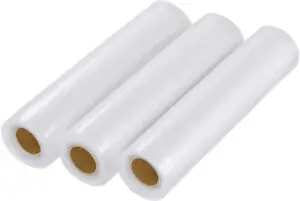
Films like BOPP and LDPE are cost-effective solutions that provide excellent protection and presentation.
Films can be customized in terms of thickness, clarity, and printability to meet specific branding and packaging requirements.
Cellulose-based and biodegradable films offer environmentally friendly packaging alternatives.
Overwrapping films are essential in the tobacco industry for protecting, preserving, and enhancing tobacco products. By understanding the types, materials, and functions of these films, manufacturers can ensure their products reach consumers in optimal condition while meeting aesthetic and regulatory requirements.

© 2024 Apopolosan Lider SL, All Rights Reserved
| Cookie | Duration | Description |
|---|---|---|
| cookielawinfo-checkbox-analytics | 11 months | This cookie is set by GDPR Cookie Consent plugin. The cookie is used to store the user consent for the cookies in the category "Analytics". |
| cookielawinfo-checkbox-functional | 11 months | The cookie is set by GDPR cookie consent to record the user consent for the cookies in the category "Functional". |
| cookielawinfo-checkbox-necessary | 11 months | This cookie is set by GDPR Cookie Consent plugin. The cookies is used to store the user consent for the cookies in the category "Necessary". |
| cookielawinfo-checkbox-others | 11 months | This cookie is set by GDPR Cookie Consent plugin. The cookie is used to store the user consent for the cookies in the category "Other. |
| cookielawinfo-checkbox-performance | 11 months | This cookie is set by GDPR Cookie Consent plugin. The cookie is used to store the user consent for the cookies in the category "Performance". |
| viewed_cookie_policy | 11 months | The cookie is set by the GDPR Cookie Consent plugin and is used to store whether or not user has consented to the use of cookies. It does not store any personal data. |