
Filter rods are a critical component in the production of cigarettes, influencing both the smoking experience and the health implications for the user.
Description: The most common type of cigarette filter, made from cellulose acetate fibers derived from wood pulp.
Function: These filters are designed to reducetar, nicotine, and other harmful substances in the smoke.
Structure: They have a high-density fiber structurethat effectively traps particles and gases.
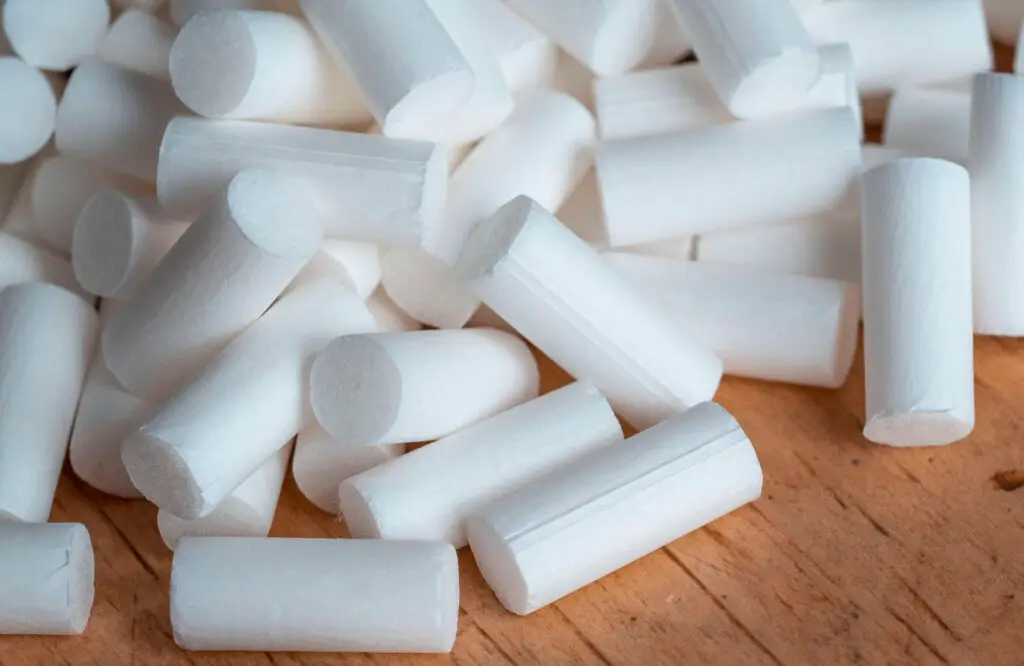
Description: These filters incorporate activated charcoal granules within the cellulose acetate.
Function: Activated charcoal helps in further reducing volatile compounds and enhancing the taste by removing some gases and chemicals.
Structure: Typically combined with cellulose acetate to maintain structural integrity while providing additional filtration.

Description: Made from finer fibers compared to traditional cellulose acetate filters.
Function: Designed to provide enhanced filtration by capturing smaller particles.
Structure: These filters often have a tighter, more complex fiber network.

Description: Filters infused with flavoring agents to enhance the smoking experience.
Function: Provide an added flavor, such as menthol, to the smoke.
Structure: Can be made from cellulose acetate or other materials and contain flavor capsules or embedded flavor compounds.

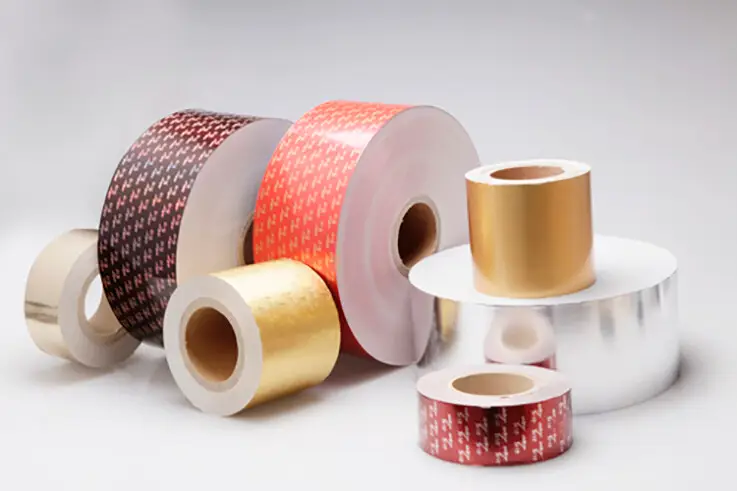
Aluminium foil plays a crucial role in the tobacco industry, providing essential functions in packaging and preservation.
Aluminium foil is indispensable in the tobacco industry due to its protective qualities, ability to maintain freshness, aesthetic appeal, safety features, and sustainability. Its role in packaging ensures that tobacco products reach consumers in optimal condition, enhancing their overall experience and satisfaction.
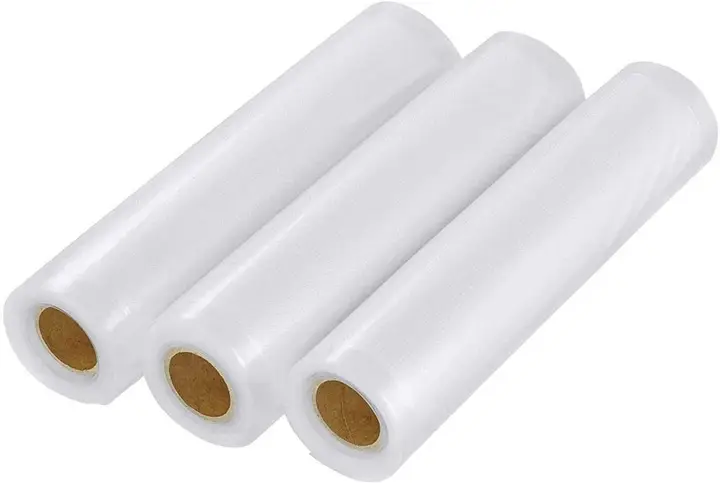
Overwrapping film is a vital packaging material in the tobacco industry. It serves to protect the product, maintain freshness, and enhance the aesthetic appeal of tobacco products, such as cigarettes.
Polypropylene (PP) Film
Overwrapping films are essential in the tobacco industry for protecting, preserving, and enhancing tobacco products. By understanding the types, materials, and functions of these films, manufacturers can ensure their products reach consumers in optimal condition while meeting aesthetic and regulatory requirements.

© 2024 Apopolosan Lider SL, All Rights Reserved
| Cookie | Duration | Description |
|---|---|---|
| cookielawinfo-checkbox-analytics | 11 months | This cookie is set by GDPR Cookie Consent plugin. The cookie is used to store the user consent for the cookies in the category "Analytics". |
| cookielawinfo-checkbox-functional | 11 months | The cookie is set by GDPR cookie consent to record the user consent for the cookies in the category "Functional". |
| cookielawinfo-checkbox-necessary | 11 months | This cookie is set by GDPR Cookie Consent plugin. The cookies is used to store the user consent for the cookies in the category "Necessary". |
| cookielawinfo-checkbox-others | 11 months | This cookie is set by GDPR Cookie Consent plugin. The cookie is used to store the user consent for the cookies in the category "Other. |
| cookielawinfo-checkbox-performance | 11 months | This cookie is set by GDPR Cookie Consent plugin. The cookie is used to store the user consent for the cookies in the category "Performance". |
| viewed_cookie_policy | 11 months | The cookie is set by the GDPR Cookie Consent plugin and is used to store whether or not user has consented to the use of cookies. It does not store any personal data. |